More Diaphragm Valve Manufacturers
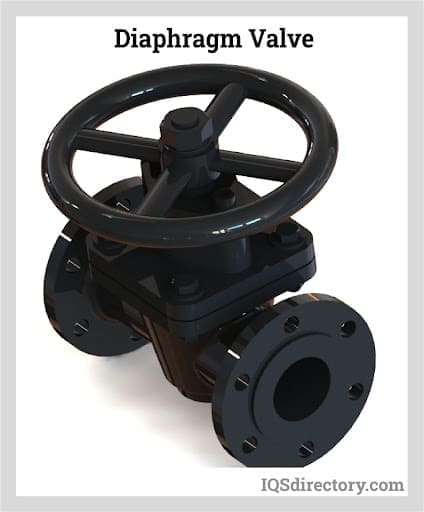
Diaphragm valves are highly versatile flow control devices engineered to deliver precise regulation of liquid, gas, and semi-solid slurry flows. These innovative valves operate by sealing process lines with a flexible membrane (the diaphragm), which is manipulated by an actuator to allow for partial or complete closure. This unique membrane mechanism distinguishes diaphragm valves from other common valve types, such as pinch, ball, globe, or butterfly valves. As a result, diaphragm valves are favored in diverse industries including agriculture, biopharmaceutical manufacturing, chemical processing, energy production, food and beverage processing, industrial water treatment, irrigation systems, medical device production, mining operations, plumbing, pulp and paper, and wastewater treatment facilities.
Are you searching for the best diaphragm valve manufacturers or suppliers for your application? Looking to compare diaphragm valve features, benefits, and pricing? Interested in learning how diaphragm valves can improve process efficiency and product purity? Read on to explore detailed insights, use cases, and expert advice to help you make an informed purchasing decision.
History
The origins of diaphragm valves can be traced back to ancient Greece and Rome, where these devices played a pivotal role in controlling the flow and temperature of water in bathhouses. Early designs utilized a leather diaphragm that could be pressed manually to create a seal, engaging a raised section known as a weir for precise water control.
Although these primitive valves faded into obscurity, they resurfaced in the early 20th century thanks to P.K. Saunders, a South African mining engineer. Inspired by ancient innovations and driven by the need for better underground mining valves, Saunders invented a modern version that addressed persistent issues such as leaks and inefficiency. His revolutionary design incorporated a flexible diaphragm to prevent leakage and contamination—an essential improvement for industrial applications. Saunders secured multiple patents and licensed his diaphragm valve technology, with Hills McCanna Company becoming the first American distributor in 1931.
 Diaphragm Valves – Burkert Fluid Control Systems
The evolution of diaphragm valves accelerated with the adoption of advanced elastomers, high-performance plastics, and corrosion-resistant metals. The transition from manual to automated valve operation was made possible by the introduction of pneumatic, electric, and hydraulic actuators, increasing reliability, process automation, and efficiency. Modern diaphragm valves are available in a wide range of configurations, materials, and actuation options, making them suitable for the rigorous demands of industries such as biotechnology, pharmaceuticals, and food processing.
As technology continues to advance, the future of diaphragm valves promises even greater precision, durability, and integration with smart process control systems for industrial automation and IIoT (Industrial Internet of Things) applications.
Design
Materials
When it comes to diaphragm valve design, material selection is critical to ensure chemical compatibility, durability, and compliance with industry standards. The specific process media—be it aggressive chemicals, abrasive slurries, or ultra-pure water—dictates the appropriate construction materials. In industrial and process environments, diaphragm valves may encounter adhesives, solvents, acids, alkalis, cleaning agents, coatings, colorants, fuels, paints, silicones, and various grades of water, necessitating robust material choices.
Valve Body and Lining Materials
Common diaphragm valve body materials include stainless steel (304, 316, and 316L grades), brass, cast iron, PVC (polyvinyl chloride), CPVC (chlorinated polyvinyl chloride), PVDF (polyvinylidene fluoride), and steel. Stainless steel is especially valued for its strength, corrosion resistance, and suitability for sanitary and aseptic processes commonly found in food, pharmaceutical, and biotech manufacturing. For aggressive chemicals or corrosive environments, non-metallic options like PTFE (polytetrafluoroethylene), PFA (perfluoroalkoxy), and lined bodies (fluorine plastic or rubber) may be specified to reduce friction, extend service life, and prevent contamination.
Diaphragm Materials
The diaphragm itself is typically made from high-grade elastomers such as EPDM (Ethylene Propylene Diene Monomer), PTFE, Viton® (FKM), butyl, natural rubber, neoprene, polyethylene, or polypropylene. For applications involving abrasive or high-pressure media, reinforced diaphragms with mesh or fabric layers may be used to enhance durability and performance. Selecting the proper diaphragm material ensures compliance with process requirements regarding temperature, pressure, chemical compatibility, and hygiene standards.
Considerations and Customization
Designing a diaphragm valve involves careful consideration of factors such as installation space, pipe diameter, frequency of operation (manual or automated), type of process media, temperature and pressure ratings, required flow rates, and specific end connection types (flanged, threaded, tri-clamp, etc.). These criteria help determine the optimal valve type, body and diaphragm material, actuator style (manual handwheel, pneumatic actuator, electric actuator), and control features (positioners, limit switches, feedback sensors). Customization options allow manufacturers to tailor diaphragm valves for specialized use cases, including aseptic processing, high-purity water systems, slurry handling, and aggressive chemical dosing.
Features
Modern diaphragm valves are available in a variety of configurations, including manual, automatic, pneumatic, electric motor-operated, and hydraulic actuated models. Each valve typically features a robust body (spherical or cylindrical), inlet and outlet piping, an actuation mechanism (actuator), a stem, and a flexible diaphragm. The actuator can be a manual handwheel, a pneumatic cylinder, an electric motor, or a hydraulic piston, depending on the level of automation required.
The stem, which is a rod or piston, transmits force from the actuator to the diaphragm. During operation, the actuator moves the stem, which in turn flexes the diaphragm against a raised weir or seat, creating a tight seal and blocking fluid flow (closed position). When the actuator retracts, the diaphragm returns to its neutral shape, allowing unrestricted flow (open position). This design minimizes friction, reduces dead space, and prevents contamination—critical features for applications requiring sanitary or sterile processing.
Integrating advanced actuators and position feedback systems allows for precise, automated valve modulation, linking diaphragm valves to PLCs (programmable logic controllers), SCADA systems, or building automation networks. This is particularly advantageous in industries where remote monitoring, batch control, and process optimization are essential.
Interested in learning how to select the right actuator or control system for your diaphragm valve? Contact our technical team to discuss automation options and control strategies for your specific process needs.
Types
Diaphragm Check Valves and Diaphragm Control Valves
Diaphragm valves are divided into two main functional categories: diaphragm check valves and diaphragm control valves.
- Diaphragm check valves are designed to maintain unidirectional flow, preventing backflow and protecting sensitive process equipment from reverse contamination. They’re commonly used in water treatment, chemical processing, and pharmaceutical systems requiring backflow prevention.
- Diaphragm control valves allow precise adjustment of pressure, temperature, flow rates, and liquid levels in response to process control signals. These valves utilize flexible elastomer diaphragms to modulate flow dynamically, making them ideal for dosing, mixing, and pressure regulation in automated process environments.
Seat Valves and Saddle (Weir) Valves
Diaphragm check and control valves are further categorized by body configuration:
- Seat valves (also called straight-way or inline diaphragm valves) feature a 90° bend in the body, redirecting process flow around a corner. These valves are ideal for installations where piping direction changes, such as tank or cistern outlets.
- Saddle (weir) valves have inlet and outlet ports directly opposite each other, creating a linear flow path. The diaphragm presses against a raised weir to seal the flow, making this design especially suitable for applications requiring minimal dead space, such as sanitary or high-purity water systems.
Both types share a basic construction: a robust valve body, an internal weir or seat, an actuator, and a diaphragm with variable thickness (thicker in the center for durability, thinner at the edges for flexibility). The key difference lies in the alignment of the ports and the flow path geometry.
Additional Diaphragm Valve Types
Our extensive product range includes:
- Process diaphragm valves—for general industrial flow control, batch processing, and fluid isolation
- Zero static valves—for critical pharmaceutical and biotech applications, eliminating dead legs and potential bacterial growth
- Sanitary diaphragm valves—for food and beverage, dairy, and clean-in-place (CIP) systems, featuring polished interiors and FDA/USP VI compliant materials
- Diaphragm solenoid valves—electromechanical valves with a solenoid coil actuating a rubber diaphragm, available as direct-acting or indirect (pilot-operated) models for remote automatic control
- Shut-off valves—providing positive isolation and rapid shutoff in emergency or safety-critical systems
- Pneumatic diaphragm valves—utilizing compressed air for rapid, reliable actuation in process automation
- Diaphragm actuated gate valves—combining features of gate and diaphragm valves for bi-directional flow and enhanced sealing performance in demanding environments
Want to compare the pros and cons of diaphragm vs. ball, butterfly, or pinch valves for your application? Continue reading for in-depth comparisons and selection guidance.
Advantages
Diaphragm valves offer numerous advantages that make them a top choice for demanding process applications:
- Easy installation and maintenance—simple design minimizes downtime during replacements or adjustments
- Leak-proof sealing—the diaphragm provides a reliable barrier, even with toxic, abrasive, or corrosive fluids
- No dead space—eliminates areas where slurries, solids, or contaminants might accumulate, supporting hygienic and sanitary processing
- Chemical and corrosion resistance—suitable for aggressive media, including acids, alkalis, and solvents, thanks to advanced body and diaphragm materials
- Low actuation force—reduces energy requirements and operational wear, making diaphragm valves cost-effective over their lifecycle
- Fluid purity—the diaphragm isolates process fluids from valve internals, ensuring product integrity in pharmaceutical, food, and ultra-pure water systems
- Versatility—accommodates a wide range of temperatures, pressures, and flow rates, and can be automated for integration with industrial control systems
- Minimal maintenance—fewer moving parts and simple construction mean reduced risk of failure and lower maintenance costs
These features make diaphragm valves indispensable in industries where product purity, process reliability, and regulatory compliance (such as FDA, USP, or ASME BPE standards) are paramount. Whether you need to prevent cross-contamination in a pharmaceutical cleanroom, automate dosing in a chemical plant, or manage slurries in mining, diaphragm valves provide unmatched performance and safety.
Applications
Wondering how diaphragm valves are applied across industries? Here are some of the most common diaphragm valve applications:
- Pharmaceutical manufacturing—aseptic and sanitary diaphragm valves for sterile processing, CIP/SIP, and batch control
- Biotechnology—high-purity water distribution and bioprocessing pipelines
- Food and beverage production—sanitary valves for dairy, brewing, and beverage bottling lines
- Chemical processing—handling aggressive or hazardous chemicals, acids, and solvents
- Water and wastewater treatment—sludge handling, chemical dosing, and distribution of potable or process water
- Mining and minerals—abrasive slurry and tailings pipelines
- Plumbing and HVAC—isolation and flow control in building systems
- Energy production—cooling water, steam, and fuel control in power plants
- Irrigation and agriculture—automatic and manual valves for irrigation systems and fertilizer dosing
Have a unique application or challenging process requirement? Request a quote or consult our valve experts for tailored recommendations.
Accessories
Enhance the functionality and longevity of your diaphragm valves with a full range of accessories, each engineered for specific operational needs:
- O-ring sealed bonnets—ensure leak-free performance in high-pressure and high-temperature environments
- Direct-loaded bonnets—provide improved control and fine-tuned flow regulation
- Extended stems—enable easy operation in hard-to-reach or insulated installations
- Gearboxes—offer mechanical advantage for large-diameter or high-pressure valves
- Positioners—allow for precision control, feedback, and integration with process automation systems
- Solenoids—enable remote or automated valve actuation for fast response and high-frequency operation
- Mounting brackets—facilitate secure installation and easy alignment within complex piping layouts
Choosing the ideal accessories depends on your application’s pressure, temperature, automation level, and installation environment. For advice on accessory selection and integration, reach out to our technical support team.
Proper Care and Maintenance
Maximize the lifespan and reliability of your diaphragm valves with proper maintenance practices:
- Conduct regular inspection and cleaning of valve internals to remove debris, scale, or contaminants that can affect performance
- Monitor diaphragms for signs of wear, such as cracks, tears, or loss of flexibility, and replace as needed to ensure leak-proof operation
- Adhere to manufacturer installation guidelines, avoiding overtightening that can damage the diaphragm or body
- Follow specified torque settings and assembly procedures to maintain warranty coverage and operational safety
- Record maintenance activities for compliance, traceability, and predictive maintenance scheduling
Proper care delivers benefits including improved reliability, reduced downtime, enhanced process control, and sustained product purity—crucial for industries where valve failure could have serious safety or quality consequences.
Choosing the Right Manufacturer
Selecting a reputable diaphragm valve manufacturer is essential to ensure product quality, compliance with industry standards, and long-term operational support. Our curated list of leading diaphragm valve manufacturers includes detailed company profiles and key capabilities, helping you make informed decisions based on application requirements and regulatory needs.
To streamline your selection process, consider the following steps:
- Define your specifications—identify required materials, standards (e.g., FDA, USP Class VI, ASME BPE), pressure/temperature ratings, automation level, and end connections
- Set your budget and timeline—consider total cost of ownership, including installation, maintenance, and support
- Evaluate delivery and after-sales support—assess manufacturer responsiveness, warranty, spare parts availability, and technical assistance
- Shortlist top manufacturers—contact at least three suppliers, request technical documentation, and discuss your application in detail
- Compare proposals—review product features, certifications, pricing, and support packages before making a final decision
Have questions about certifications, customization options, or lead times? Looking for a side-by-side comparison of top diaphragm valve brands? View our manufacturer listings or get personalized assistance from our team.
Frequently Asked Questions About Diaphragm Valves
- What are the main benefits of diaphragm valves compared to ball, gate, or butterfly valves?
- How do I choose the right diaphragm material for chemical compatibility?
- Which actuator type is best for high-cycle process automation?
- What maintenance is required for sanitary diaphragm valves in food processing?
- How do I size a diaphragm valve for a specific flow rate and pressure drop?
- Are there diaphragm valves suitable for high-temperature or high-pressure applications?
- Can diaphragm valves be integrated with PLC or SCADA systems for remote monitoring?
- What certifications should I look for when purchasing valves for pharmaceutical or biotech use?
For answers to these and other common diaphragm valve questions, speak with a valve specialist.
Conclusion: Why Choose Diaphragm Valves?
Diaphragm valves combine exceptional sealing, chemical and corrosion resistance, and versatility to meet the most demanding process requirements. Their unique design ensures product purity, operational reliability, and low maintenance costs across a broad spectrum of industries. By selecting the right combination of body and diaphragm materials, actuation methods, and accessories, you can optimize your process for safety, efficiency, and compliance.
Ready to specify diaphragm valves for your next project? Request a quote today or contact our team for expert guidance on product selection, customization, and integration.
 Ball Valves
 Butterfly Valves
 Centrifugal Pumps
 Check Valves
 Diaphragm Valves
 Flow Meters
 Hydraulic Pumps
 Hydraulic Valves
 Metering Pumps
 Solenoid Valves
 Vacuum Pumps
 Castings & Forgings
 Bulk Material Handling
 Electrical & Electronic Components
 Flow Instrumentation
 Hardware
 Material Handling Equipment
 Metal Cutting Services
 Metal Forming Services
 Metal Suppliers
 Motion Control Products
 Plant & Facility Equipment
 Plant & Facility Supplies
 Plastic Molding Processes
 Pumps & Valves
 Recycling Equipment
 Rubber Products & Services